
Full-Property Care Does Not Mean Cutting Every Plant at Every Visit
A complete landscape-maintenance visit should address the entire property, but that does not mean every shrub needs to be trimmed each time.
Different plants grow, flower, recover, and respond to pruning in different ways. Trimming everything on the same schedule may produce a temporarily uniform appearance, but it can also remove flower buds, create excessive regrowth, expose bare interiors, and gradually weaken the natural structure of the plants.
Arrowscape uses a rotated trimming approach during recurring maintenance. We evaluate the entire property at each visit and focus our trimming on the plants that actually need attention. Other plants may be allowed to grow, flower, or recover until the timing is more appropriate.
This approach keeps the property controlled while respecting the individual needs of the plants.
What Is Rotated Trimming?
Rotated trimming means dividing shrub and plant care across multiple recurring visits instead of aggressively cutting every plant during every service.
During one visit, the priority may be shrubs beginning to block a walkway, window, address number, or irrigation component. At another visit, attention may shift to flowering plants that have completed a bloom cycle or vigorous plants that have produced long, unruly shoots.
The property is still maintained as a whole. Mowing, edging, blowing, weed attention, general cleanup, and visual property checks continue according to the selected service plan. The difference is that trimming decisions are based on plant condition, growth rate, season, safety, and appearance—not simply on whether a crew is standing in front of the plant with powered trimmers.
Why Trimming Too Frequently Can Hurt Phoenix-Area Landscapes
Frequent trimming can remove flowers before they open
Many popular shrubs in Surprise and the Phoenix West Valley flower on new growth or develop buds before their visible bloom cycle begins. Cutting the outer growth too frequently can remove buds, flowers, and the stems that would have produced the next round of color.
The result is a plant that remains green and compact but rarely displays the flowers it was selected for.
Repeated shearing can create a thin outer shell
When a shrub is repeatedly sheared into a tight ball or square, growth becomes concentrated near its exterior. Sunlight has difficulty reaching the plant’s interior, and inner branches may gradually lose their leaves.
The shrub can eventually develop a thin green shell surrounding a woody, leafless center. Once that happens, cutting it back slightly may expose large brown areas that do not fill in quickly.
Excessive pruning stimulates more regrowth
Pruning is not a way to permanently stop a healthy plant from growing. Cutting often stimulates new growth near the cuts. Repeatedly shearing a shrub can therefore create a cycle in which the plant produces dense new tips, those tips are cut again, and even more branching develops near the surface.
This can make a plant appear to “need” constant trimming when the trimming itself is contributing to the problem.
Over-pruning can increase plant stress
Leaves manufacture the energy a plant needs to maintain its roots, stems, flowers, and new growth. Removing too much foliage reduces the plant’s photosynthetic capacity and forces it to use stored energy to rebuild what was removed.
That recovery can be especially demanding in the Valley’s extreme heat. A plant repeatedly pushed into regrowth may require more water and energy than one maintained with well-timed, selective cuts.
Constant shaping hides the character of the landscape
Bougainvillea, lantana, Texas sage, fairy duster, oleander, and bird of paradise naturally have very different forms. Cutting all of them into the same rounded shape removes much of the texture, movement, flowering potential, and visual variety they bring to a desert landscape.
Formal hedges can be appropriate where a deliberately geometric screen is part of the design. Most flowering and desert-adapted shrubs, however, perform better when their natural form is preserved.
How Common Surprise-Area Plants Should Be Treated Differently
Bougainvillea
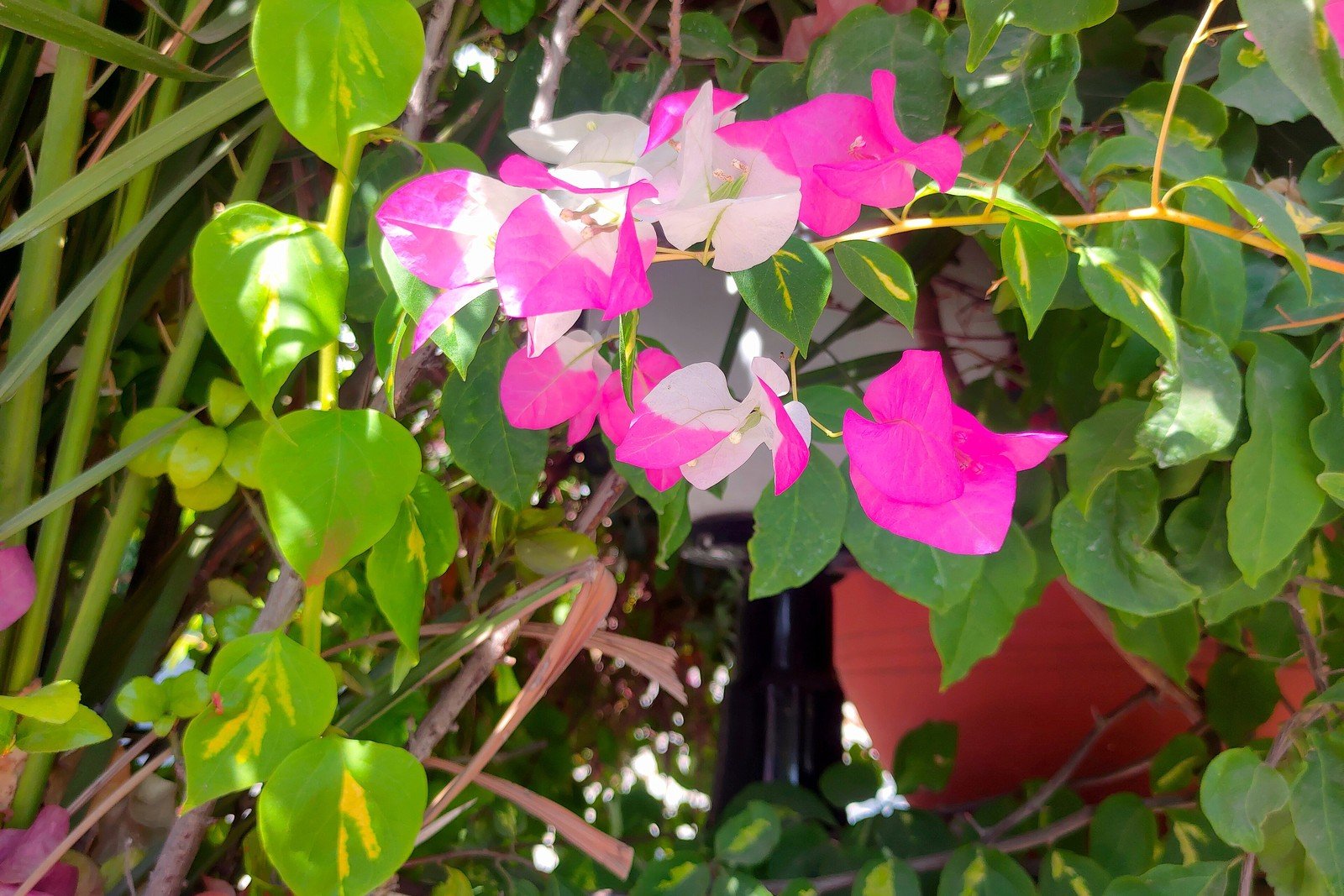
Bougainvillea is vigorous and may produce long shoots that extend into walkways, neighboring plants, roofs, or other areas where growth needs to be controlled. Light pruning of those vigorous shoots may be appropriate during the growing season.
That does not mean the entire plant should be tightly sheared at every visit. Selective trimming can control its size and direction while retaining more of its natural arching form and colorful display.
Frost-damaged wood should generally remain until the danger of frost has passed and living growth becomes easier to identify. Cutting too early can remove material that is still providing some protection and make it difficult to distinguish damaged growth from viable wood.
Lantana
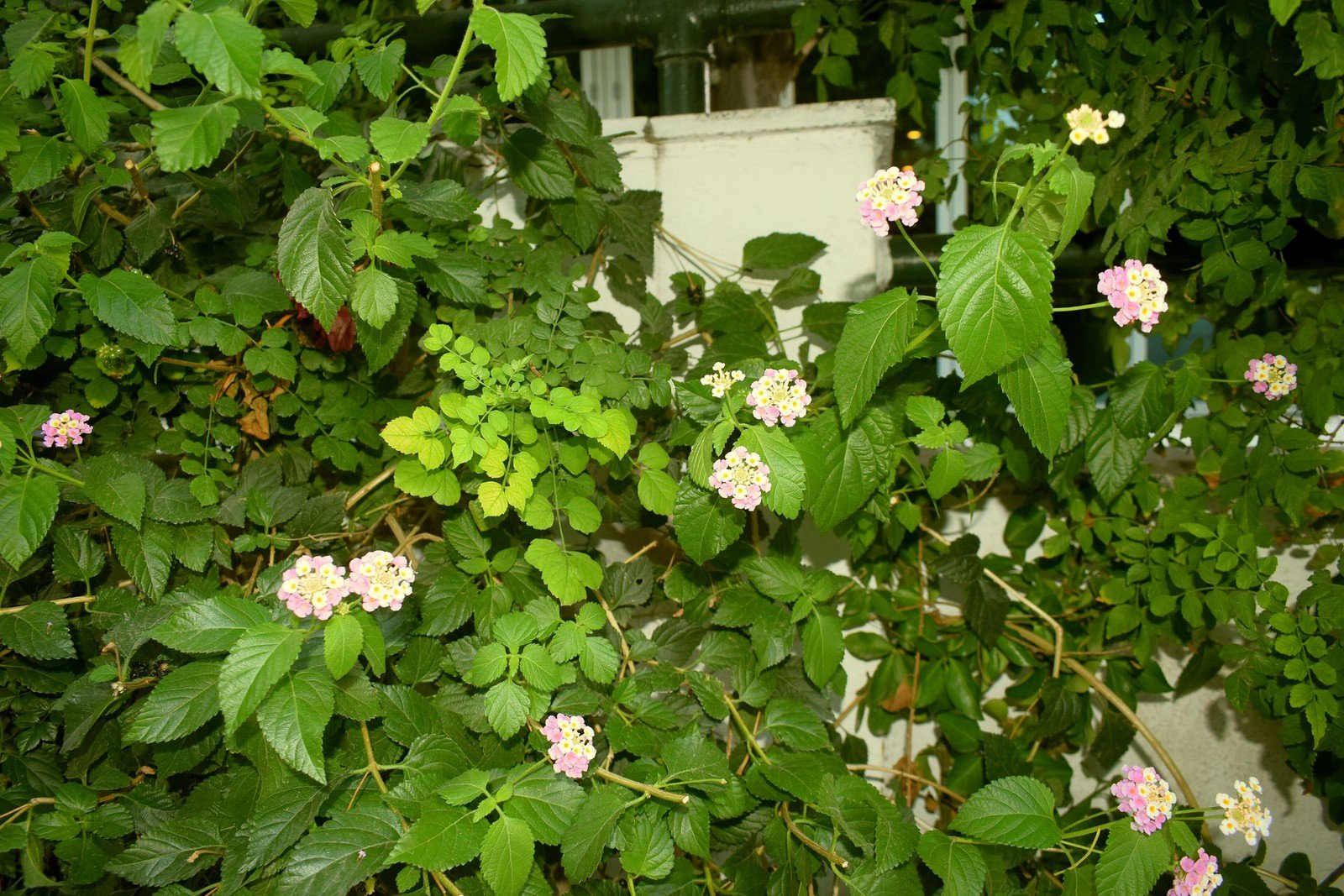
Lantana grows quickly during warm weather and can spread beyond its intended area. It may be trimmed as necessary to keep it away from walkways, irrigation components, walls, and neighboring plants.
In winter, lantana can suffer frost damage and may temporarily look brown or lifeless. Its important seasonal pruning is usually performed after frost danger has passed, when it can be cut back to make room for fresh warm-season growth.
Constantly shearing lantana during its active season can reduce its flower display. Rotating its trimming allows periods of growth and bloom while still keeping the plant from becoming unruly.
Oleander
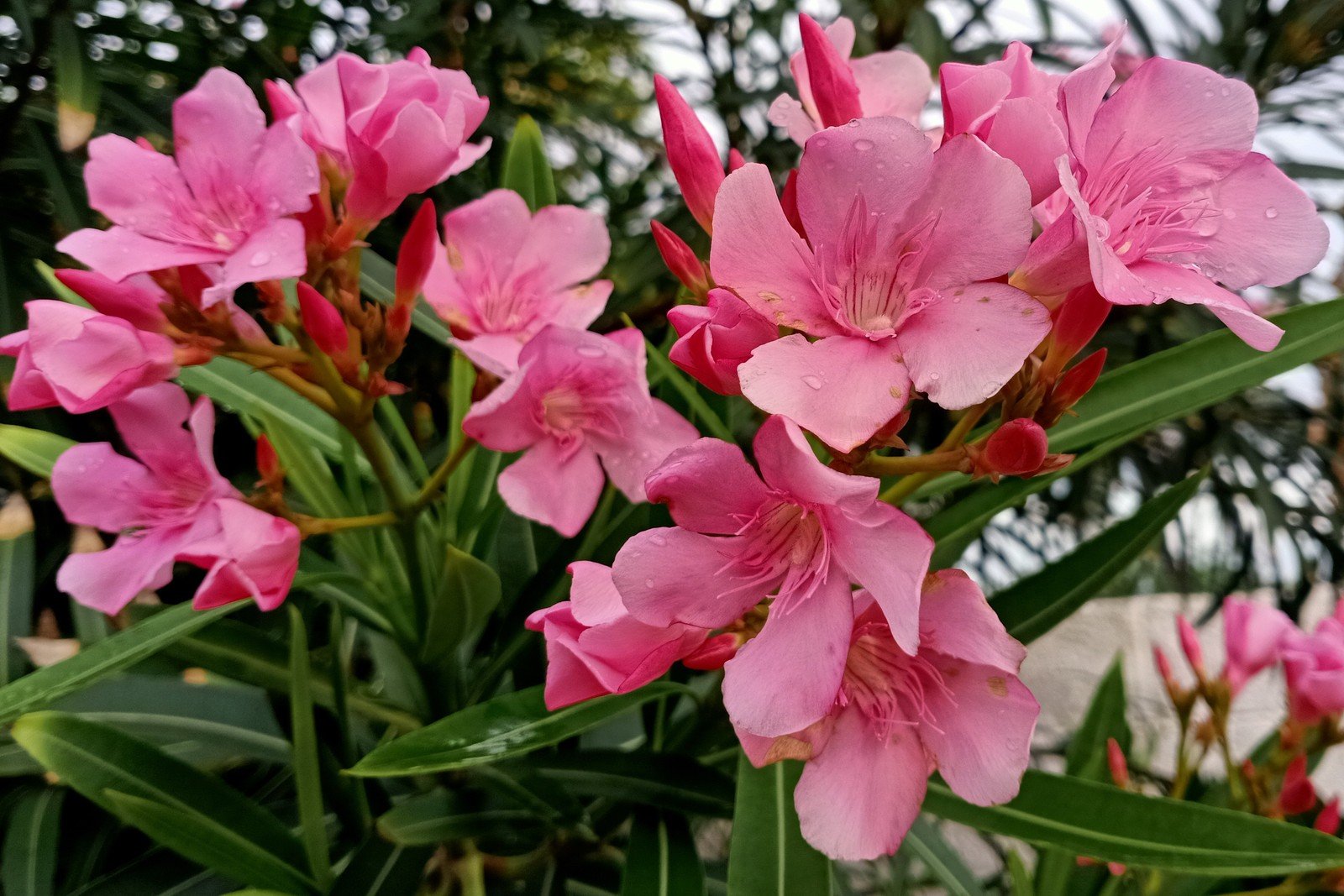
Oleander is a large, vigorous flowering shrub that is often planted as a screen. It is better suited to selective thinning than repeated surface shearing.
Removing selected older stems and poorly positioned growth helps control density while allowing light into the plant. Repeatedly shearing an oleander can remove flowers and flower buds, concentrate foliage on the outside, and leave the interior increasingly bare.
Oleanders can become very large, so their mature size and location also matter. If a full-size variety is planted in a very confined space, frequent trimming may manage the symptoms without solving the underlying placement problem.
Texas Sage or Texas Ranger
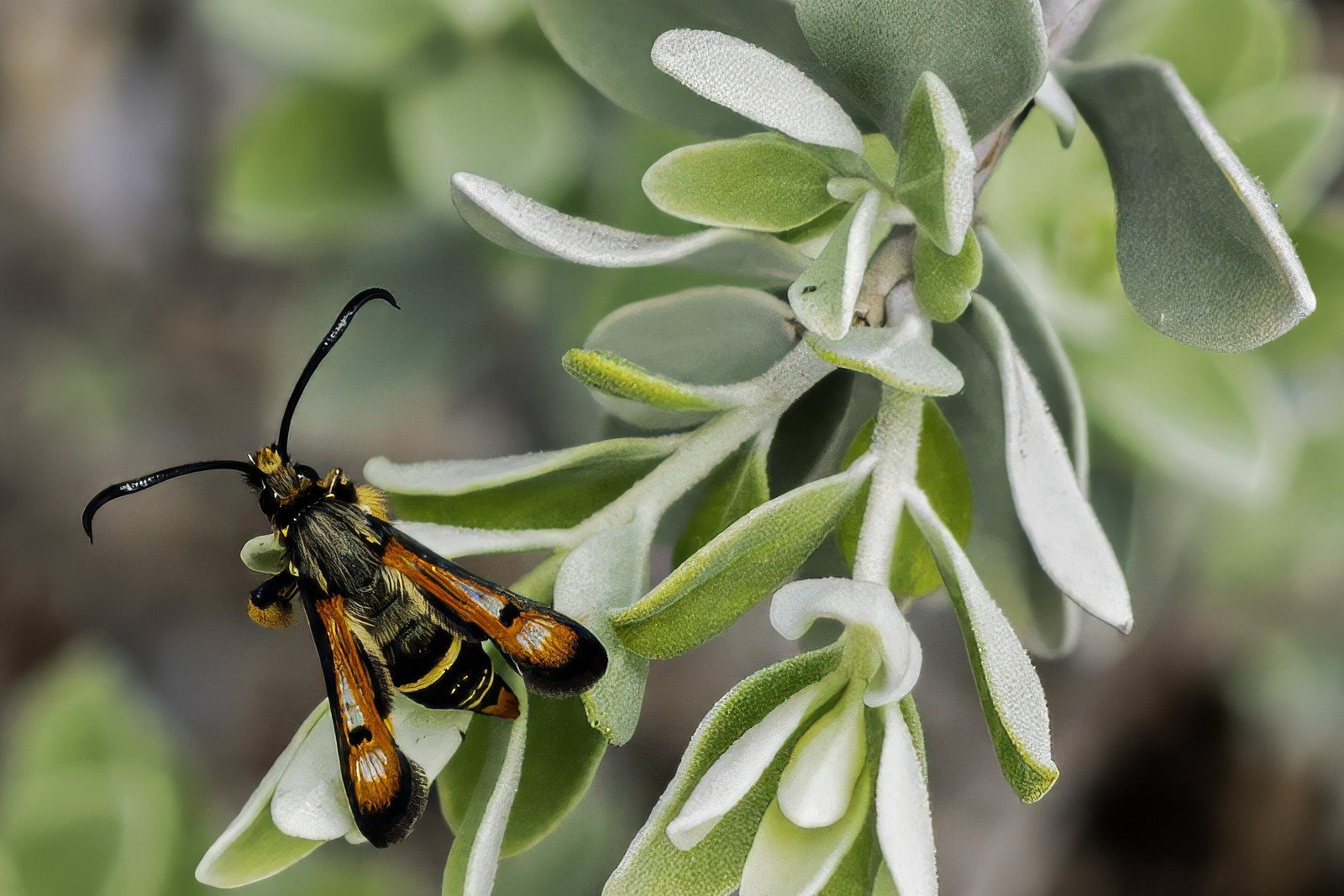
Texas sage is valued for its soft foliage, natural rounded form, and bursts of purple, pink, or white flowers. When it has enough room to reach its intended size, it may need very little pruning.
Frequent shearing can remove its flowers, stress the plant, and create a thin layer of leaves around a woody interior. Selective pruning is generally a better way to address stray, damaged, or poorly positioned branches without turning the shrub into a tight geometric shape.
Red Bird of Paradise
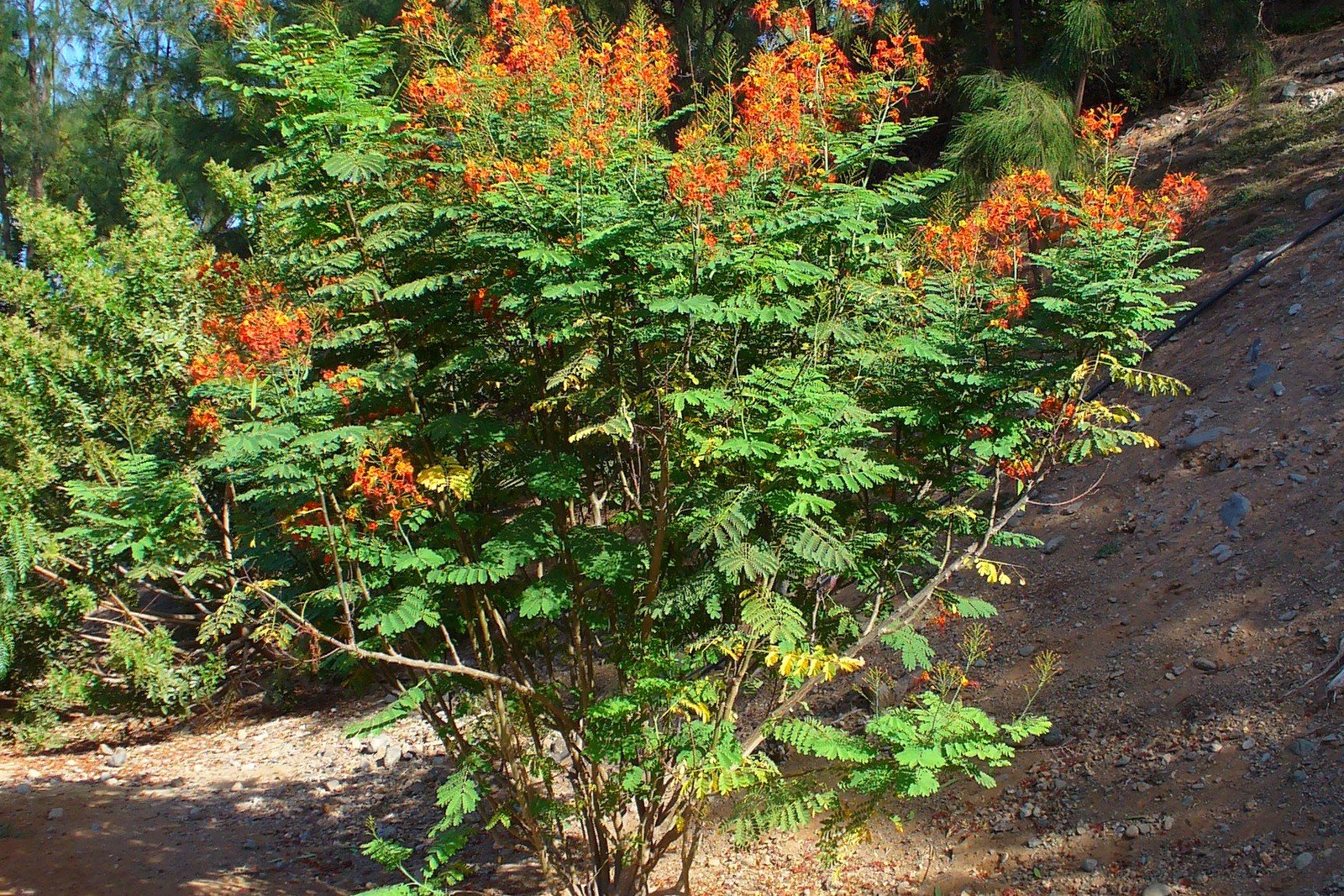
Red bird of paradise produces rapid warm-season growth and one of the Valley’s most recognizable summer flower displays. Its main renewal pruning is generally performed in late winter or early spring after frost danger has passed.
During the growing season, light corrective trimming may be appropriate when branches obstruct access or extend too far into surrounding areas. Repeatedly cutting the plant during its active flowering period can sacrifice much of the display homeowners expect from it.
Rosemary
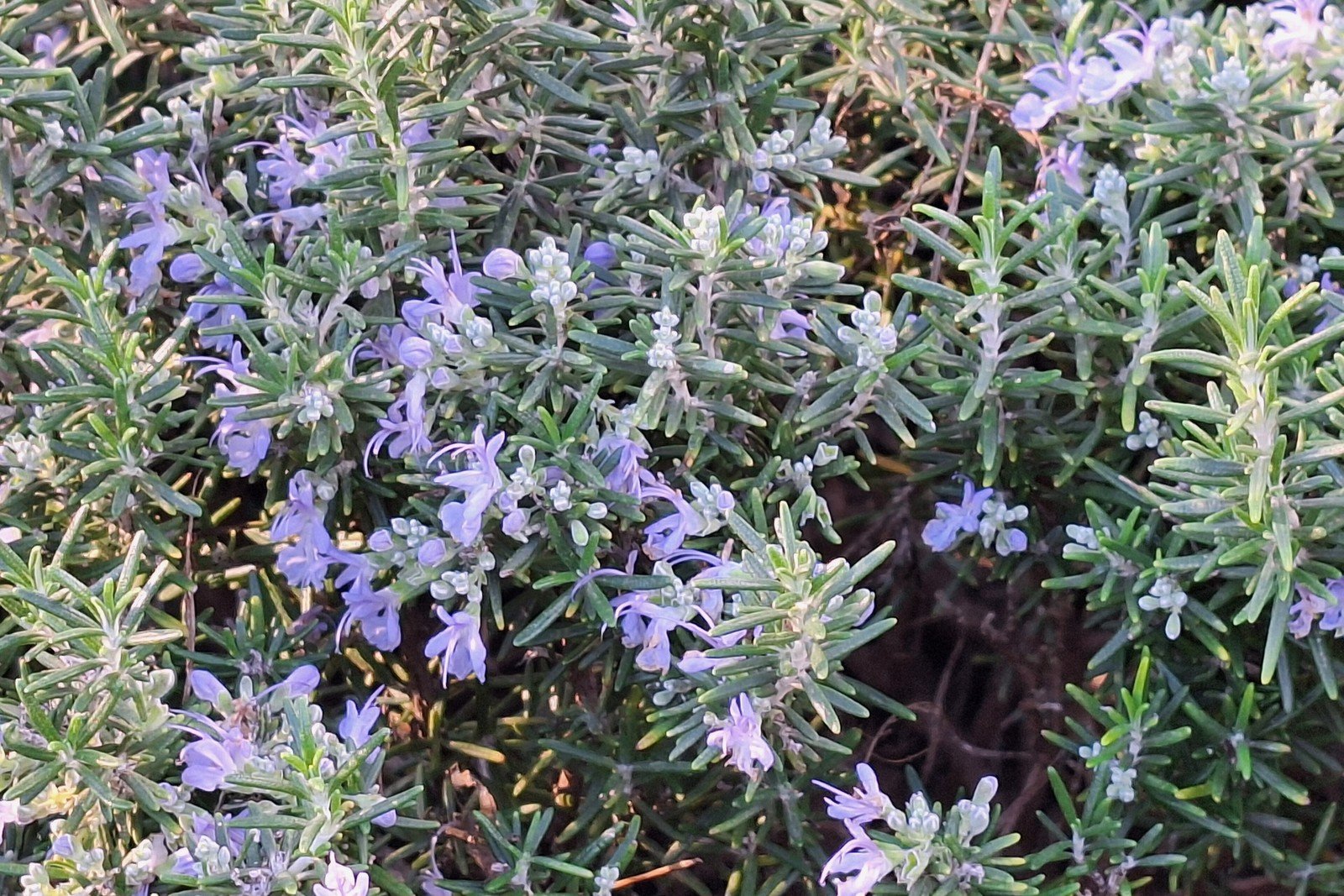
Rosemary can tolerate light trimming when cuts remain within healthy, leafy growth. Cutting deeply into older bare wood is riskier because rosemary may not reliably produce new shoots behind those cuts.
This is why an overgrown rosemary shrub cannot always be reduced like a fast-growing lantana. Regular observation and light, properly placed trimming are safer than allowing it to become oversized and then attempting a severe correction.
Fairy Duster
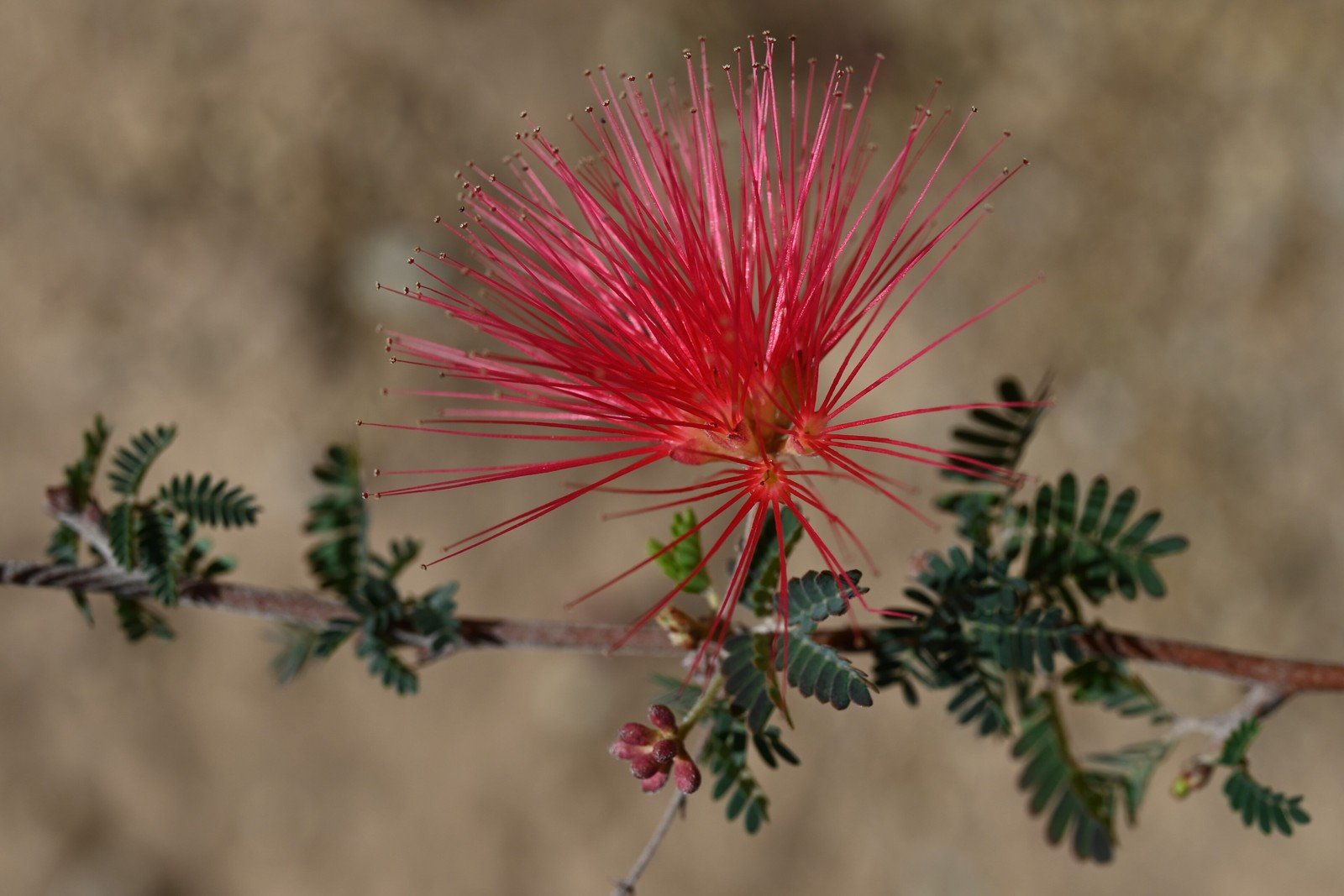
Fairy duster naturally develops a loose, airy form and produces distinctive flowers that attract pollinators. It generally benefits from light, natural pruning after a major flowering period rather than regular mechanical shearing.
Allowing room between trimming cycles helps preserve its flowers and its characteristic appearance.
Yellow, Mexican, and Red Bird of Paradise
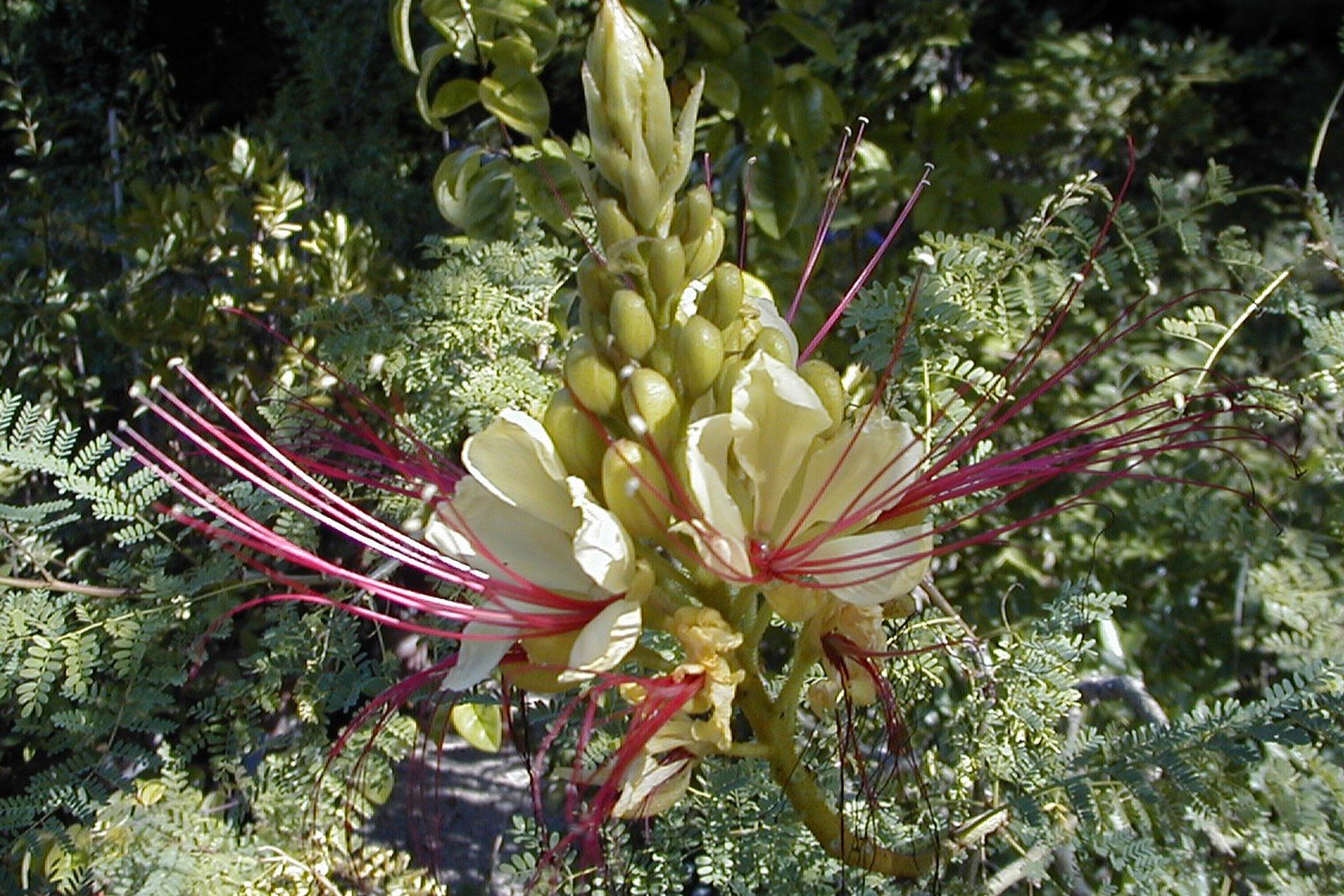
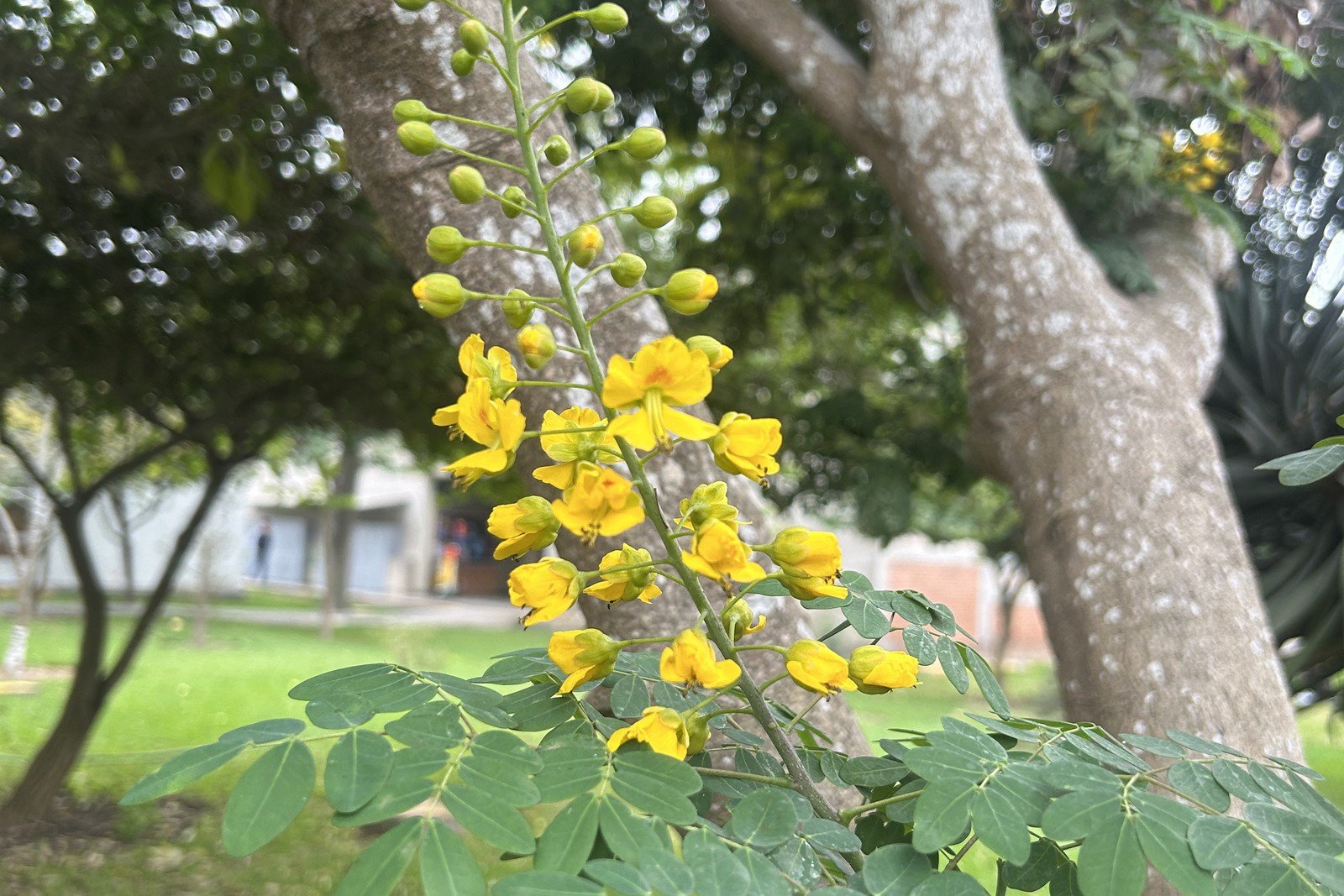
Although these plants share the “bird of paradise” name, they do not all follow precisely the same growth pattern. The red variety is commonly renewed more aggressively after winter, while established yellow and Mexican varieties often develop larger woody frameworks.
Treating all three as interchangeable can lead to poorly timed or unnecessarily severe pruning. Their variety, maturity, location, and seasonal condition should guide the work.
Selective Pruning Versus Shearing
Shearing cuts across the outer surface of a plant, usually to create a uniform shape. It can be useful for a true formal hedge made from a plant that tolerates this type of maintenance.
Selective pruning removes individual branches at appropriate points within the plant. It can reduce crowding, remove damaged growth, improve clearance, and manage size while retaining more of the shrub’s natural form.
In a diverse residential landscape, the best result may involve a combination of techniques. A formal hedge may receive careful shearing, while the nearby oleander is thinned, the bougainvillea has vigorous shoots removed, and the lantana is left alone to continue flowering.
What We Look for at Each Recurring Visit
Our goal is not to trim plants simply to prove that trimming occurred. We look at the condition and needs of the entire property, including:
- Growth extending into walkways, driveways, gates, or entry areas
- Plants obstructing windows, address numbers, lighting, or visibility
- Branches interfering with irrigation equipment or neighboring plants
- Dead, damaged, rubbing, or poorly positioned growth
- Shrubs that have completed a flowering cycle
- Seasonal frost damage and the appropriate time for removal
- Fast-growing shoots that disrupt the intended form of a plant
- Plants that should be allowed more time to bloom or recover
- Overall balance, clearance, cleanliness, and presentation
The trimming priorities may change from visit to visit because the landscape is constantly changing.
Why Recurring Service Makes Rotated Trimming Possible
Rotated trimming works best as part of an ongoing maintenance plan. Because we return on a dependable schedule, every plant does not have to be cut aggressively during a single visit.
We can address immediate needs, monitor the remaining landscape, and continue the rotation during future visits. This creates a more measured approach than allowing the entire property to become overgrown and then performing a severe cleanup.
Recurring care also helps us recognize how individual plants respond through the seasons. A shrub that grows rapidly during summer may need little attention in winter. A flowering plant that should be left alone today may be ready for selective pruning after its bloom cycle.
A Better Standard for Full-Property Maintenance
Full-property maintenance should mean that the entire landscape is observed, cleaned, and cared for—not that every plant is cut every time.
Rotated trimming helps keep a property neat without forcing every shrub into the same shape or schedule. It allows flowering plants time to flower, reduces unnecessary stress, preserves more natural growth, and makes it possible to focus attention where it will have the greatest effect.
That is the difference between simply cutting a yard and maintaining a living landscape.
Request Recurring Landscape Maintenance
Looking for thoughtful, recurring lawn and landscape maintenance in Surprise, Arizona, or a nearby West Valley community? Explore Arrowscape’s recurring-maintenance service or view plans and request service.